From practitioners, for practitioners 🌿
Autumn forest school activities
The wood's most generous term. Everything is falling, ripening or turning colour, and it all wants picking up.
3 ideas, best for October first
 Fire · Bonfire Night
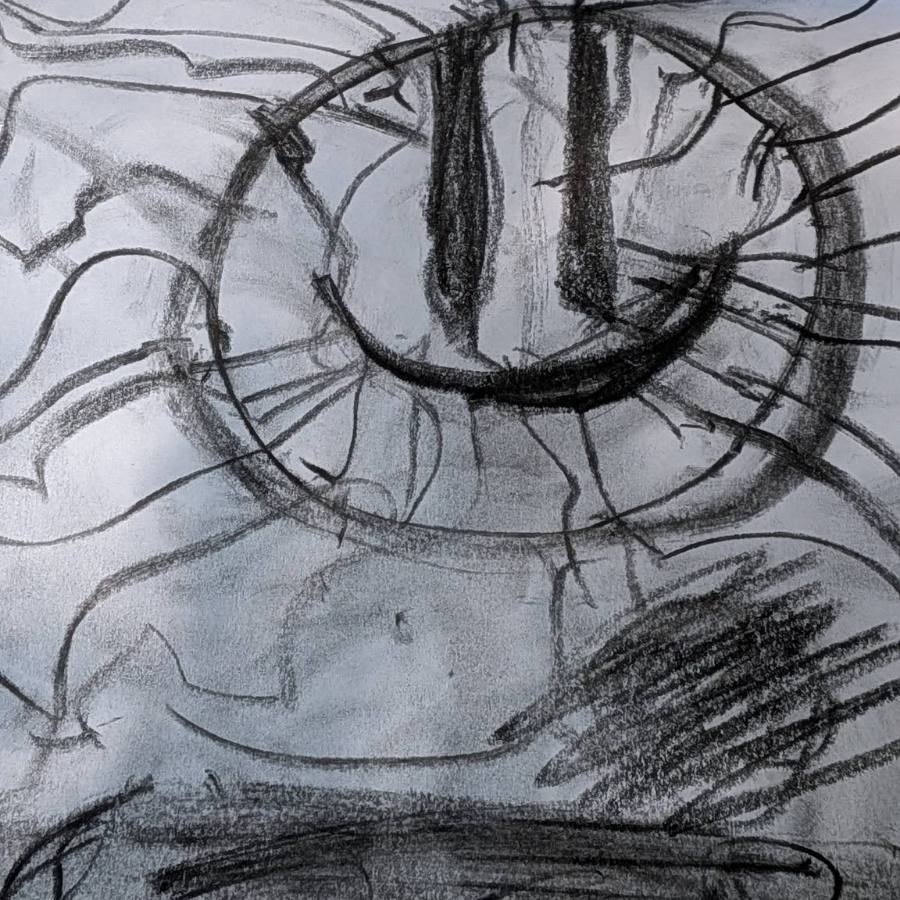
Charcoal from the fire: woodland drawingMake your own charcoal in a biscuit tin on the embers, then draw with it: fire, chemistry and art in one session. A natural Bonfire Night pairing.
Fire · Bonfire Night
Charcoal from the fire: woodland drawingMake your own charcoal in a biscuit tin on the embers, then draw with it: fire, chemistry and art in one session. A natural Bonfire Night pairing.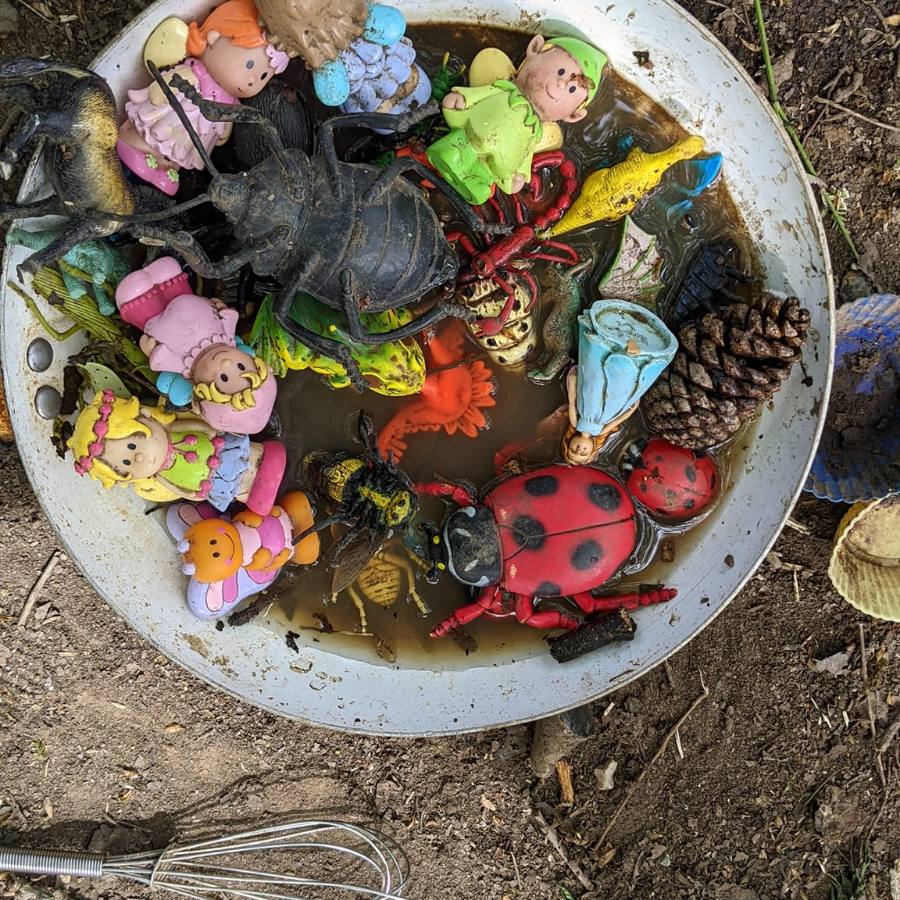 Craft · Halloween
Woodland wands and potionsHalloween the forest-school way: whittle-free wand decorating, then a potion station of mud, petals and 'eye of newt' (acorns) with incantations mandatory.
Craft · Halloween
Woodland wands and potionsHalloween the forest-school way: whittle-free wand decorating, then a potion station of mud, petals and 'eye of newt' (acorns) with incantations mandatory.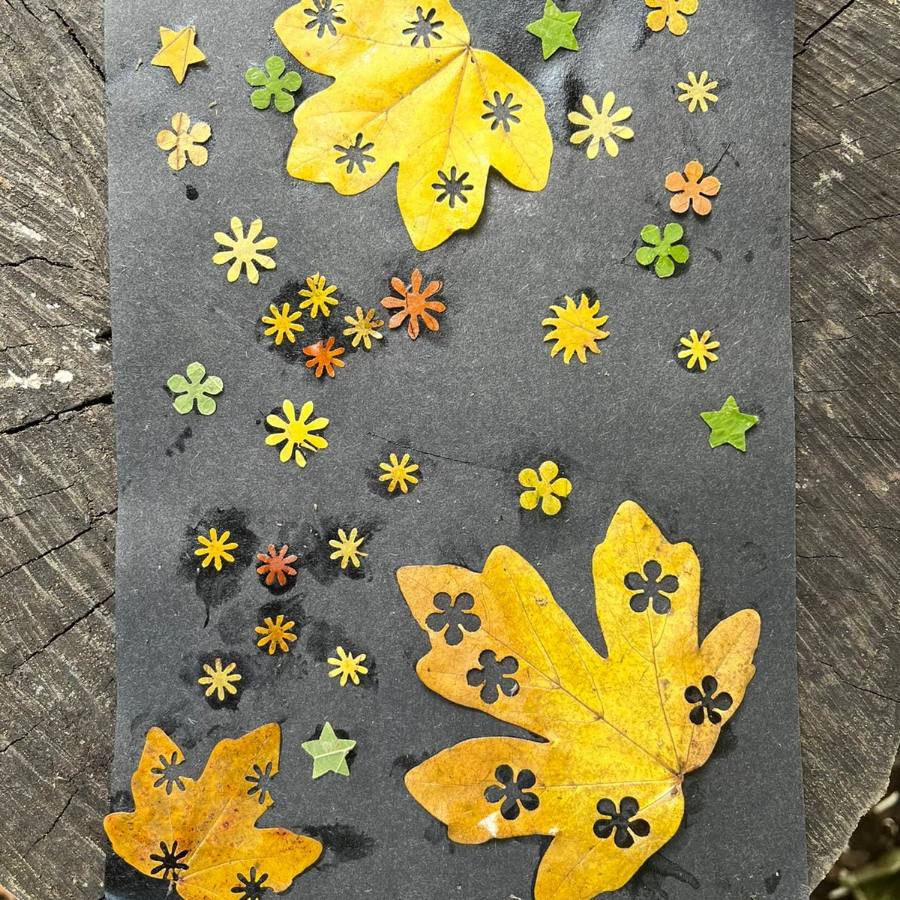 Nature · Autumn
Leaf mandalasBig collaborative land art from autumn's free art supplies: sort by colour, build outward from the centre, photograph from above before the wind takes it back.planned 1×
Nature · Autumn
Leaf mandalasBig collaborative land art from autumn's free art supplies: sort by colour, build outward from the centre, photograph from above before the wind takes it back.planned 1×Running autumn well
Autumn is the easiest term to run and the hardest to keep up with. The site changes every week: conkers one session, gone the next; the bramble that was worth foraging in September is worth avoiding by November. Plan lightly, walk the site the morning of, and be willing to throw the plan away because something better has happened overnight.
It's also when fire comes back into its own. The ground is wet enough to be forgiving, the afternoons are cold enough that a kettle means something, and children who were indifferent to a fire circle in June will sit round one for an hour in October. If you only run fire for one term, run it for this one.
The other autumn shift is light. Sessions that ended comfortably at four in September are finishing in gloom by the end of November, and the last twenty minutes stop being useful teaching time and start being about getting everyone and everything off site. Build the pack-down into the plan rather than discovering it.
- Walk the site the morning of. Autumn changes it faster than any other term.
- Bring the fire back early in the term, while the novelty and the cold are both working for you.
- Anything foraged needs a confident identifier and families told in advance: this is the term that tempts everyone.
- Work backwards from the light, not forwards from the start time. Pack-down in the dark is a different job.
- Wet leaves on a slope are the season's most-missed hazard. Re-walk your route after the first real fall.