From practitioners, for practitioners 🌿
Forest school nature activities
Looking closely at the wood you're already standing in, its minibeasts, its seasons, the things that were there all along.
10 ideas, best for October first
 Nature · Autumn
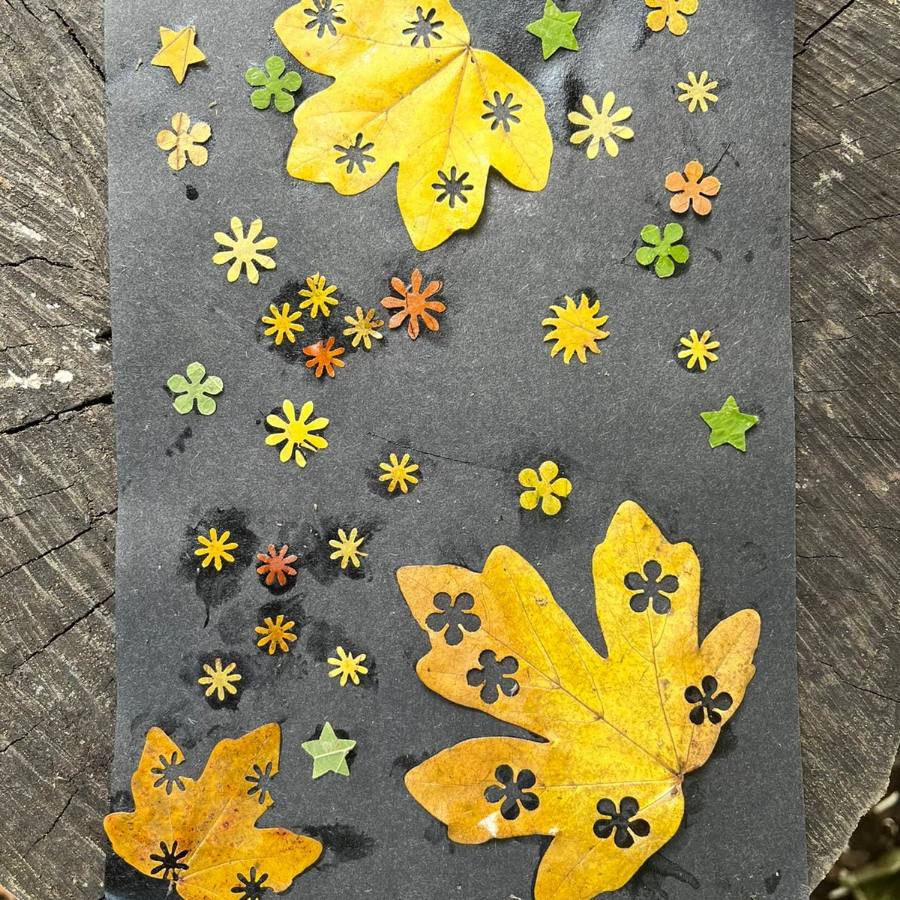
Leaf mandalasBig collaborative land art from autumn's free art supplies: sort by colour, build outward from the centre, photograph from above before the wind takes it back.planned 1×
Nature · Autumn
Leaf mandalasBig collaborative land art from autumn's free art supplies: sort by colour, build outward from the centre, photograph from above before the wind takes it back.planned 1×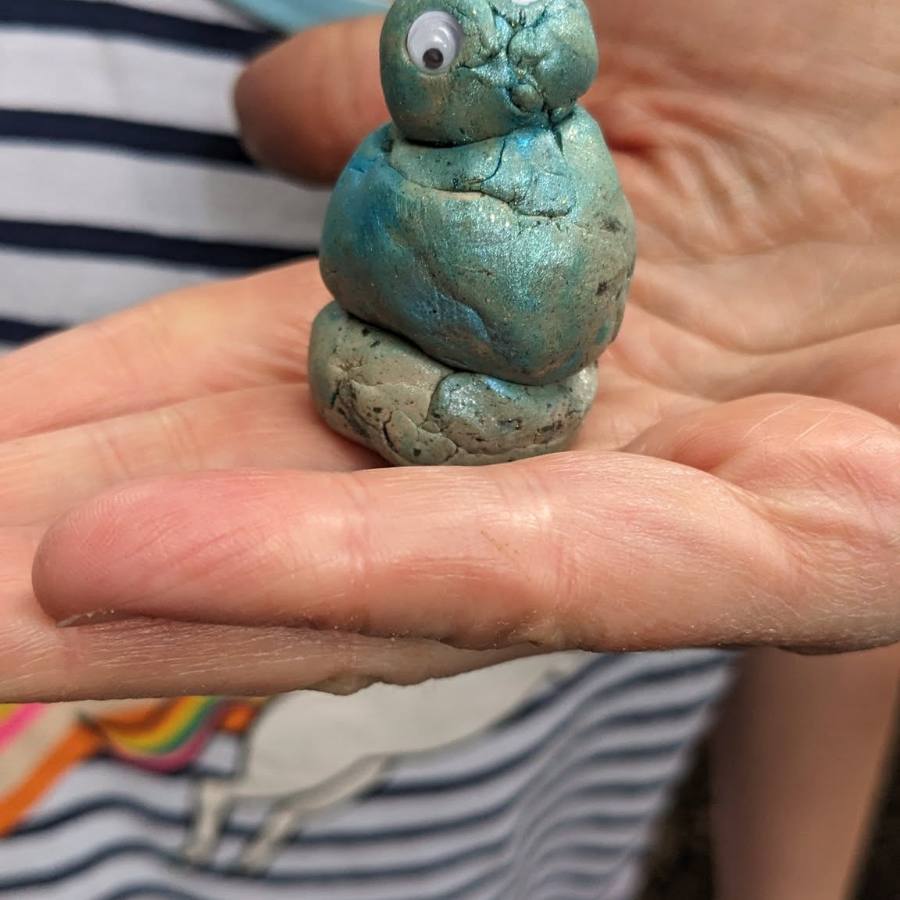 Craft
Clay woodland facesPress a handful of clay onto a tree trunk and sculpt a face for it, the fastest route into imaginative play there is, and every tree ends up with a personality.planned 1×
Craft
Clay woodland facesPress a handful of clay onto a tree trunk and sculpt a face for it, the fastest route into imaginative play there is, and every tree ends up with a personality.planned 1×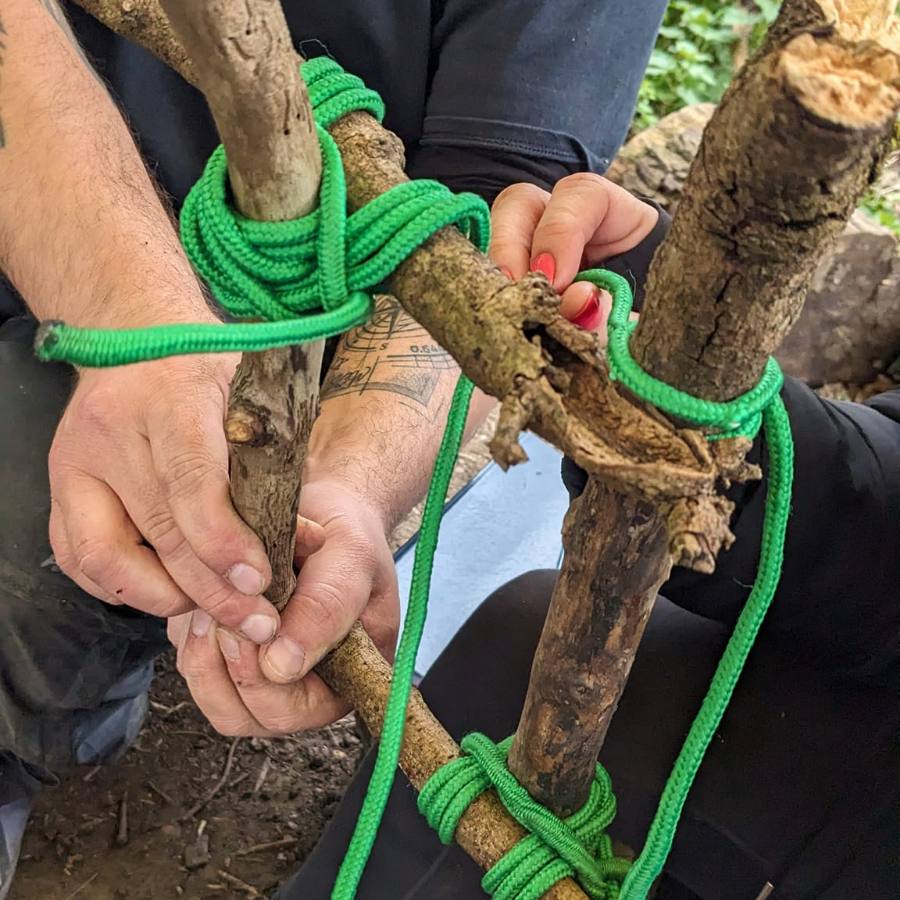 Nature
Journey sticksA stick becomes a map: children fasten a memento of each moment of the walk along it, then retell the journey from their stick, brilliant for language and memory.
Nature
Journey sticksA stick becomes a map: children fasten a memento of each moment of the walk along it, then retell the journey from their stick, brilliant for language and memory.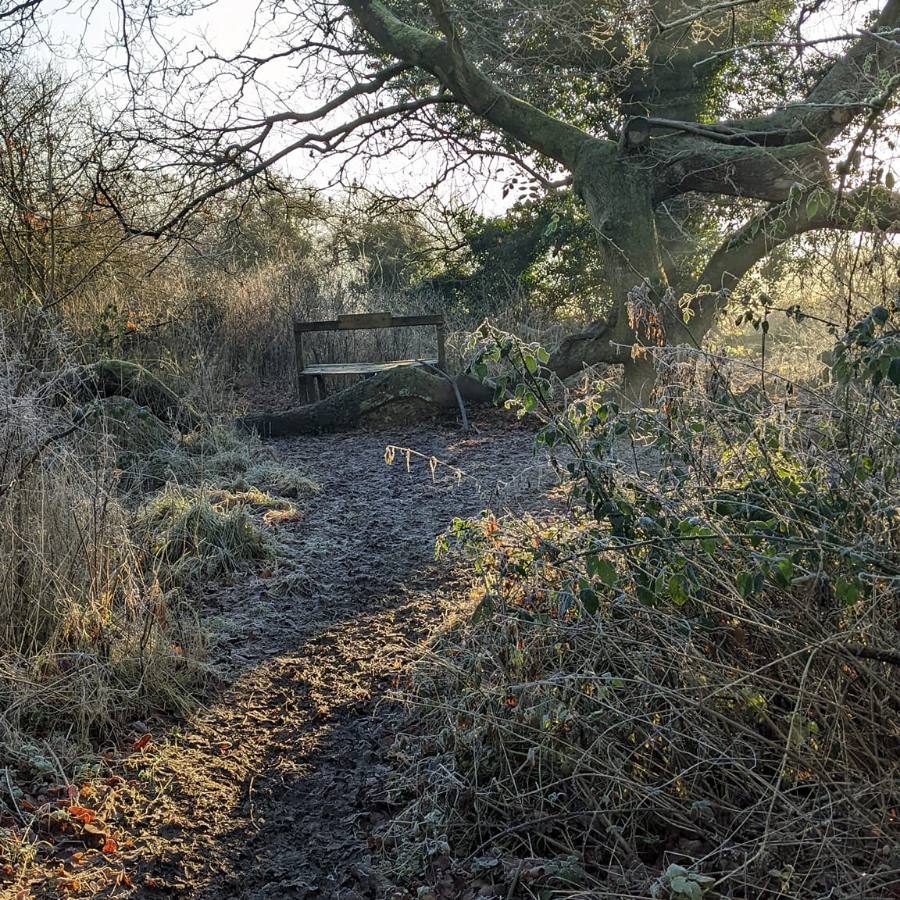 Nature
Sit spots and sound mapsFive minutes alone (in sight) with a card and a crayon: you are the X, mark every sound around you. The simplest mindfulness practice in the woods, and it works on every age.
Nature
Sit spots and sound mapsFive minutes alone (in sight) with a card and a crayon: you are the X, mark every sound around you. The simplest mindfulness practice in the woods, and it works on every age.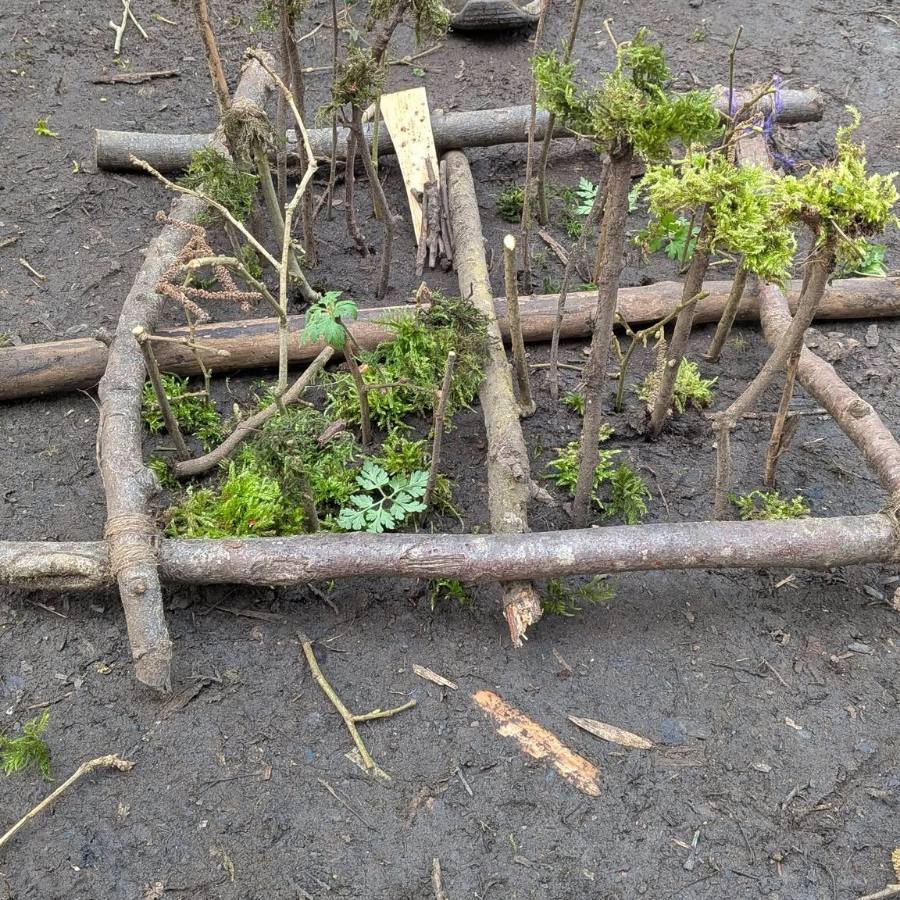 Ropes & knots
Square-lashed photo framesFour sticks, one meter of string and a square lashing at each corner, a real knot skill smuggled inside a craft, finished with a woven nature picture.
Ropes & knots
Square-lashed photo framesFour sticks, one meter of string and a square lashing at each corner, a real knot skill smuggled inside a craft, finished with a woven nature picture.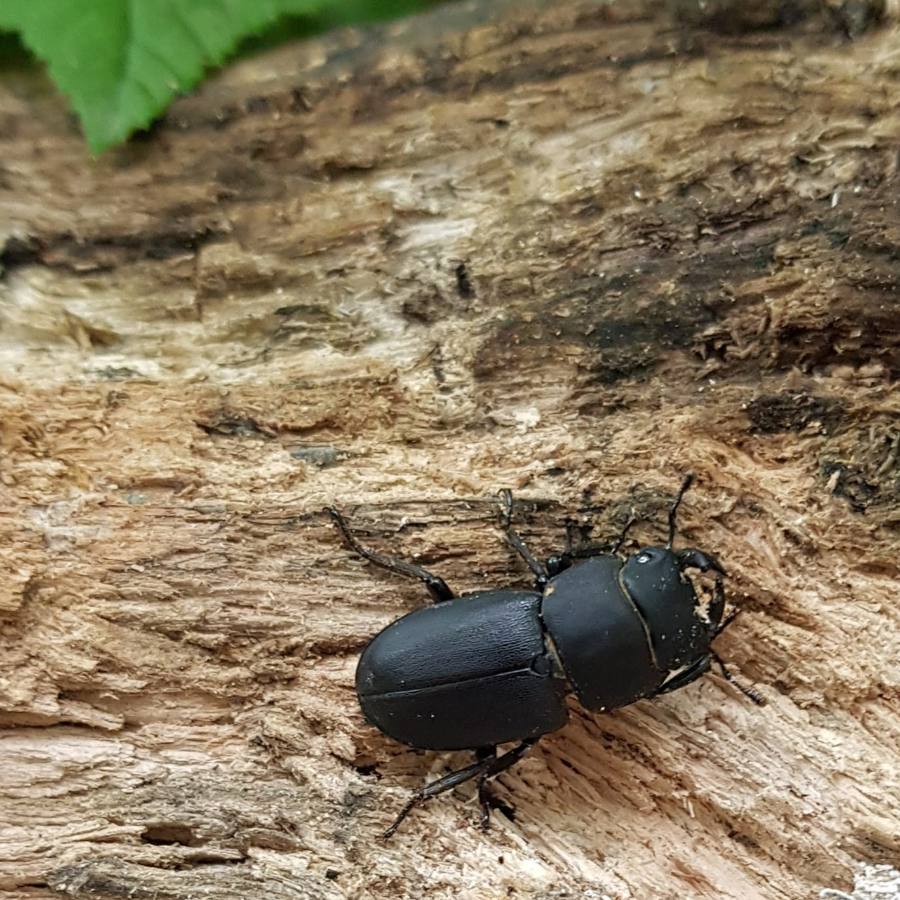 Nature · Spring
Bug hotel buildingBuild a five-star minibeast hotel from pallets, bricks, pine cones and hollow stems, then survey the guests over the following weeks.Nature · Spring
Pond dipping and frogspawn watchSpring's headline act: nets, trays and the annual frogspawn count, with a return visit to meet the tadpoles.
Nature · Spring
Bug hotel buildingBuild a five-star minibeast hotel from pallets, bricks, pine cones and hollow stems, then survey the guests over the following weeks.Nature · Spring
Pond dipping and frogspawn watchSpring's headline act: nets, trays and the annual frogspawn count, with a return visit to meet the tadpoles.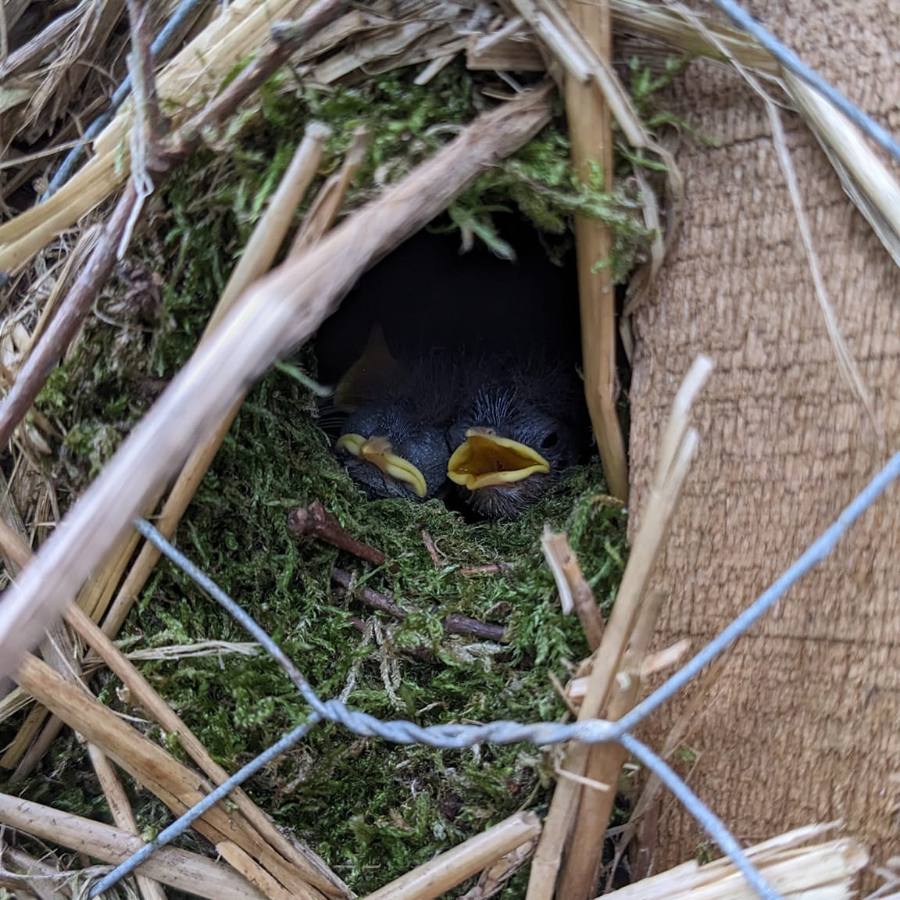 Nature · Easter
Bird nest building challengeCould YOU build a nest with only a beak? Pairs get 'beak rules' (finger and thumb only) and race the clock to build a nest that cradles a real egg. Perfect for spring and Easter.
Nature · Easter
Bird nest building challengeCould YOU build a nest with only a beak? Pairs get 'beak rules' (finger and thumb only) and race the clock to build a nest that cradles a real egg. Perfect for spring and Easter.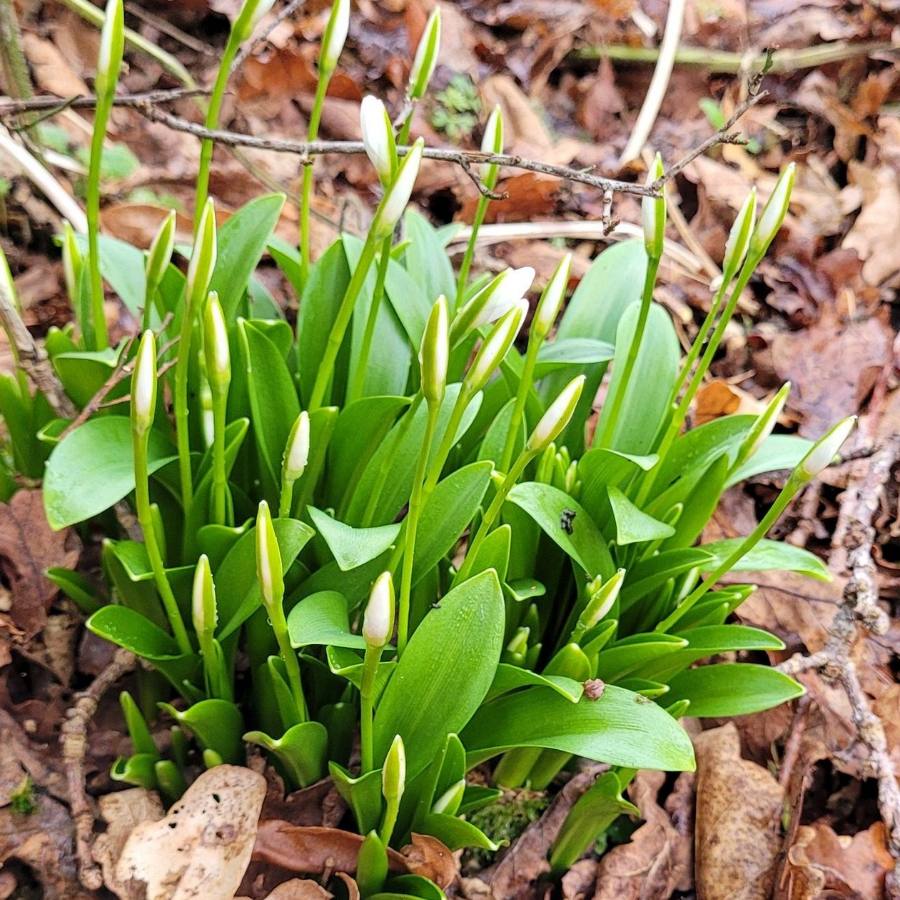 Nature · Spring
Wild garlic pestoApril's foraging classic: identify wild garlic by smell, harvest a leaf each, and pound a communal pesto for crackers. Foraging rules taught with an immediate reward.
Nature · Spring
Wild garlic pestoApril's foraging classic: identify wild garlic by smell, harvest a leaf each, and pound a communal pesto for crackers. Foraging rules taught with an immediate reward. Craft · Summer
Hapa zome leaf printingHammer-printing: fold flowers and leaves into cloth and tap, the pigments transfer as perfect prints. Loud, energetic, and the results look gallery-worthy.
Craft · Summer
Hapa zome leaf printingHammer-printing: fold flowers and leaves into cloth and tap, the pigments transfer as perfect prints. Loud, energetic, and the results look gallery-worthy.Running nature activities well
Nature activities need the least kit and give the most back. A hand lens, a metre of string to mark out a square, and a child willing to lie down and wait. The wood does the rest of the work for you.
The trap is turning them into worksheets, a tick-list of species and a right answer. Noticing is learner-led by its nature: the child who spends forty minutes on one woodlouse has not gone off task, they have gone deeper than the plan allowed for. Follow the interest, name things when you're asked to, and resist the urge to move everybody on.
- Slow it down. The best noticing starts about where most groups get moved along.
- Name things when asked, not before. Curiosity first, vocabulary second.
- Come back to the same square metre across a term: the change is the lesson.
- Anything heading for a mouth needs a confident identifier and a clear picture of consent and allergies.