From practitioners, for practitioners 🌿
Forest school craft ideas and activities
Making something with your hands, out of what the wood gave you that morning. Craft is often the quietest part of a session, and the part children talk about at home.
9 ideas, best for October first
 Fire · Bonfire Night
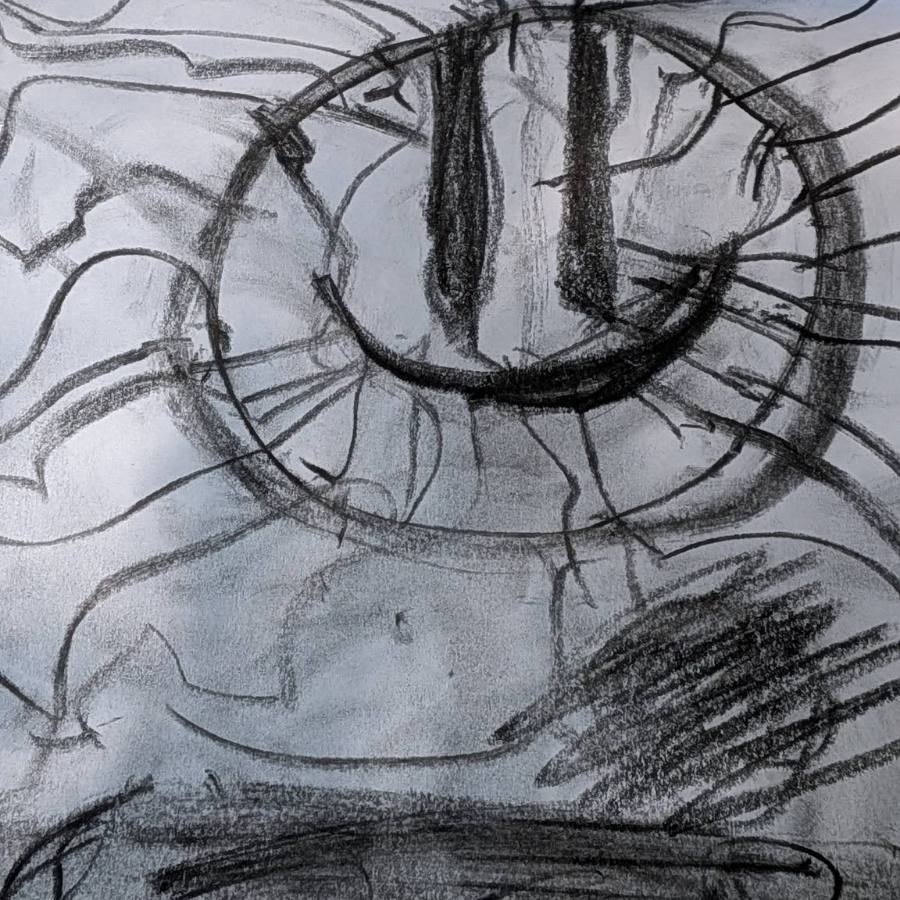
Charcoal from the fire: woodland drawingMake your own charcoal in a biscuit tin on the embers, then draw with it: fire, chemistry and art in one session. A natural Bonfire Night pairing.
Fire · Bonfire Night
Charcoal from the fire: woodland drawingMake your own charcoal in a biscuit tin on the embers, then draw with it: fire, chemistry and art in one session. A natural Bonfire Night pairing.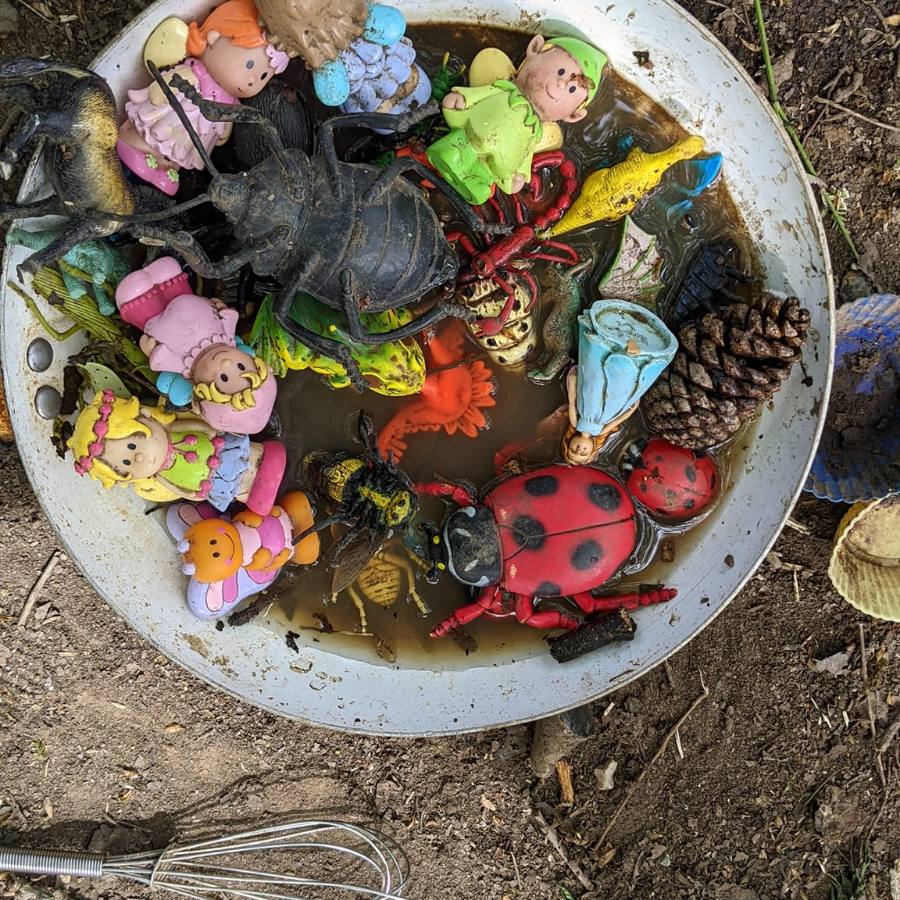 Craft · Halloween
Woodland wands and potionsHalloween the forest-school way: whittle-free wand decorating, then a potion station of mud, petals and 'eye of newt' (acorns) with incantations mandatory.
Craft · Halloween
Woodland wands and potionsHalloween the forest-school way: whittle-free wand decorating, then a potion station of mud, petals and 'eye of newt' (acorns) with incantations mandatory.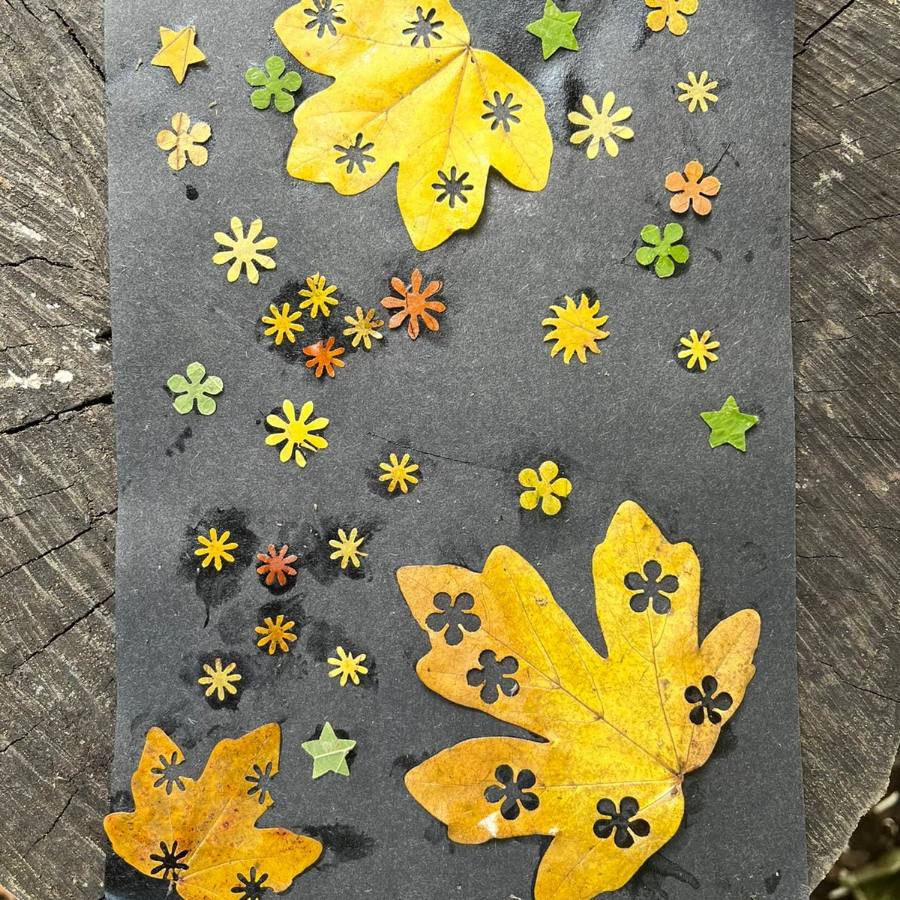 Nature · Autumn
Leaf mandalasBig collaborative land art from autumn's free art supplies: sort by colour, build outward from the centre, photograph from above before the wind takes it back.planned 1×
Nature · Autumn
Leaf mandalasBig collaborative land art from autumn's free art supplies: sort by colour, build outward from the centre, photograph from above before the wind takes it back.planned 1×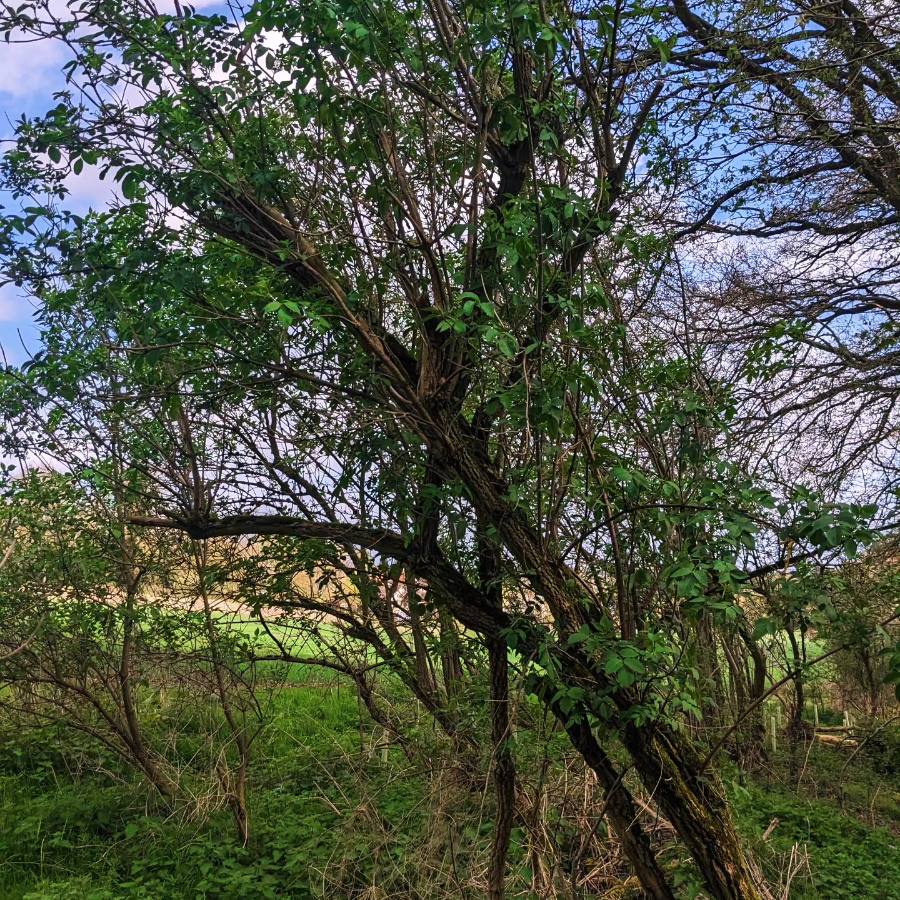 Craft
Elder bead jewelleryElder has a soft pith that pushes out to leave a perfect bead: saw, push, thread. A proper tool session with a wearable result children are hugely proud of.planned 1×
Craft
Elder bead jewelleryElder has a soft pith that pushes out to leave a perfect bead: saw, push, thread. A proper tool session with a wearable result children are hugely proud of.planned 1×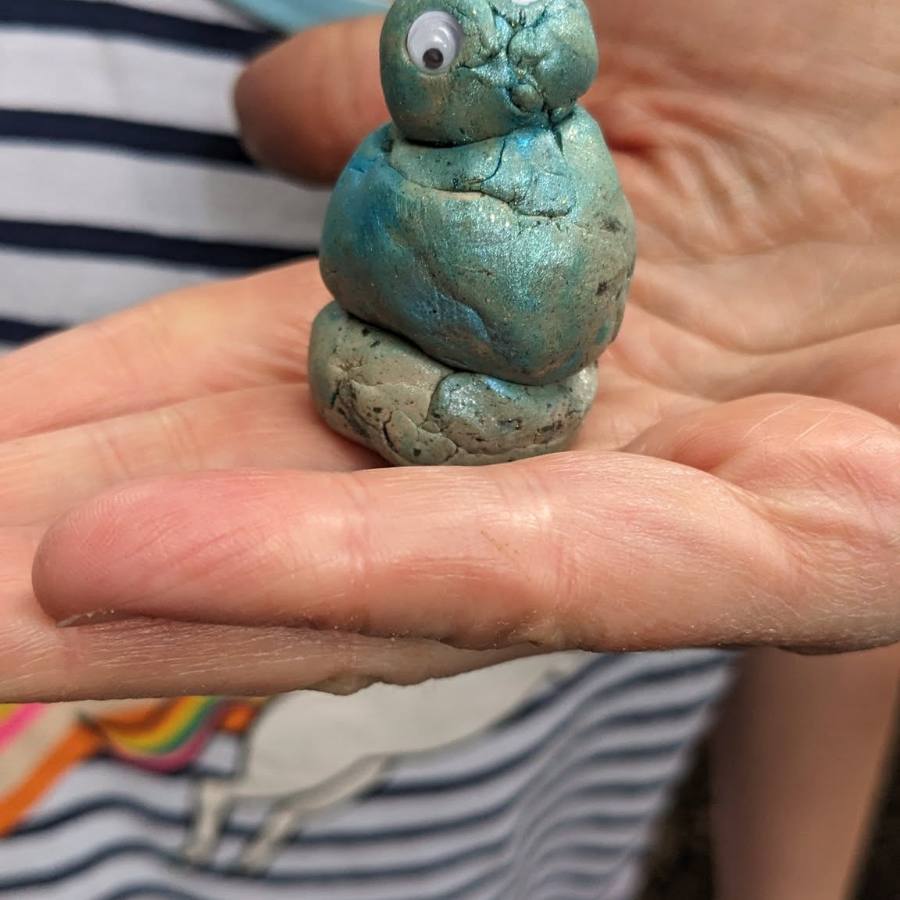 Craft
Clay woodland facesPress a handful of clay onto a tree trunk and sculpt a face for it, the fastest route into imaginative play there is, and every tree ends up with a personality.planned 1×
Craft
Clay woodland facesPress a handful of clay onto a tree trunk and sculpt a face for it, the fastest route into imaginative play there is, and every tree ends up with a personality.planned 1×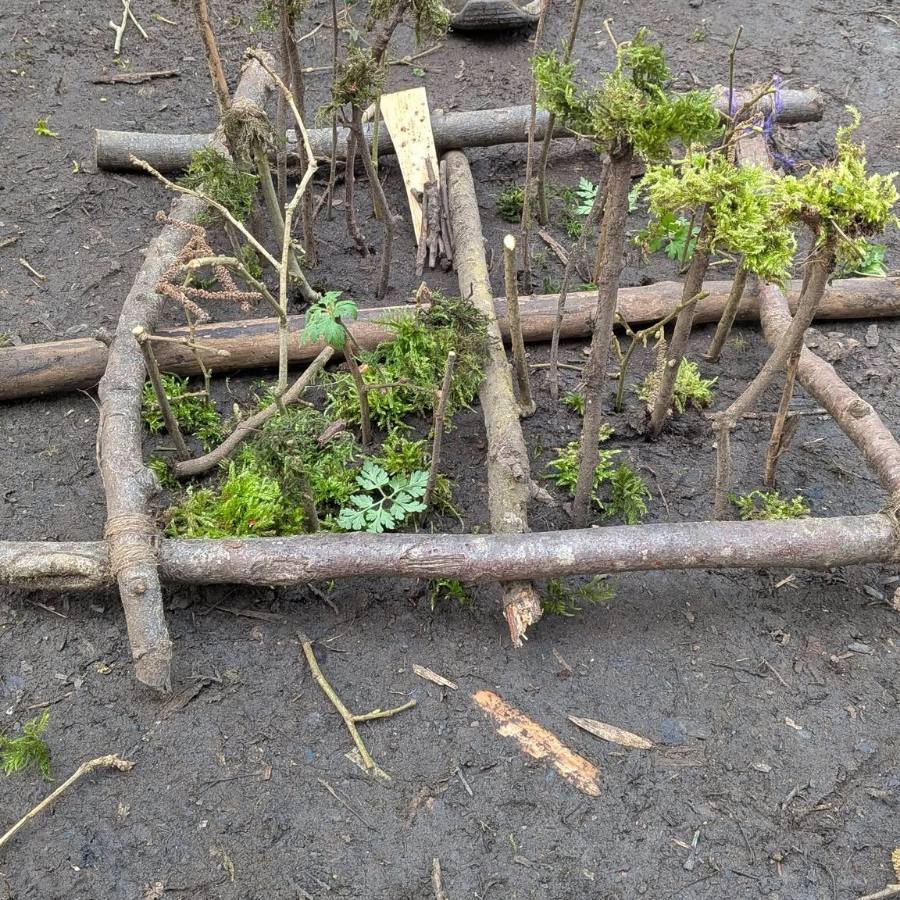 Ropes & knots
Square-lashed photo framesFour sticks, one meter of string and a square lashing at each corner, a real knot skill smuggled inside a craft, finished with a woven nature picture.
Ropes & knots
Square-lashed photo framesFour sticks, one meter of string and a square lashing at each corner, a real knot skill smuggled inside a craft, finished with a woven nature picture.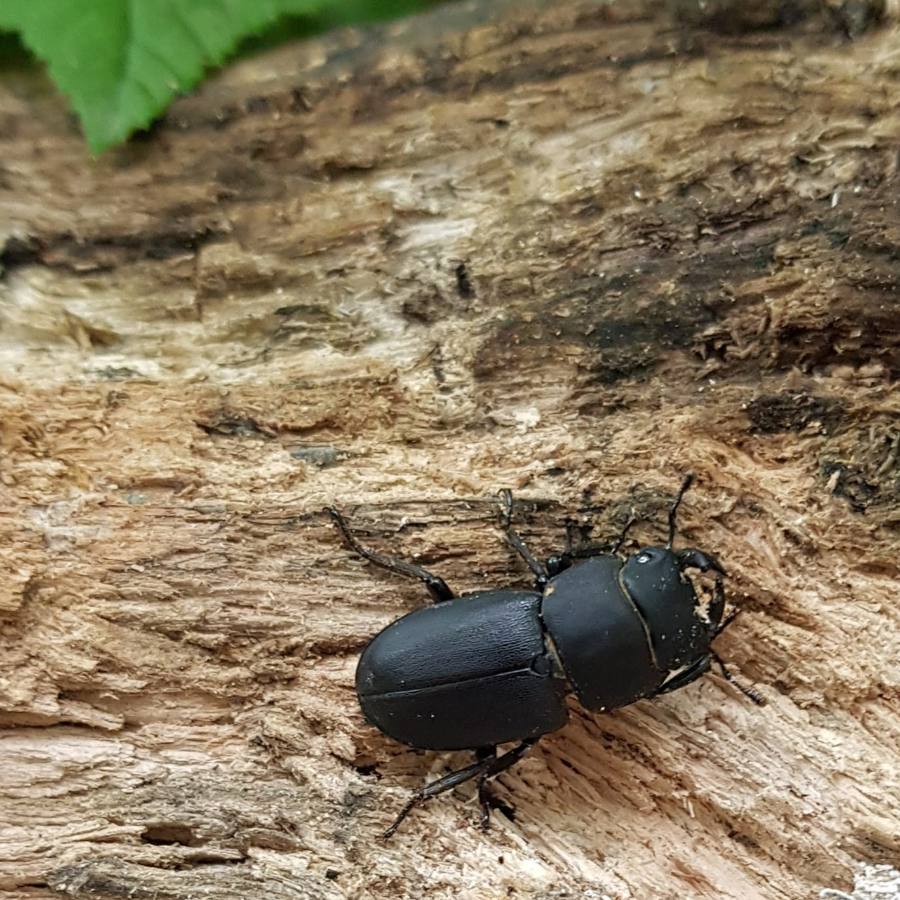 Nature · Spring
Bug hotel buildingBuild a five-star minibeast hotel from pallets, bricks, pine cones and hollow stems, then survey the guests over the following weeks.
Nature · Spring
Bug hotel buildingBuild a five-star minibeast hotel from pallets, bricks, pine cones and hollow stems, then survey the guests over the following weeks.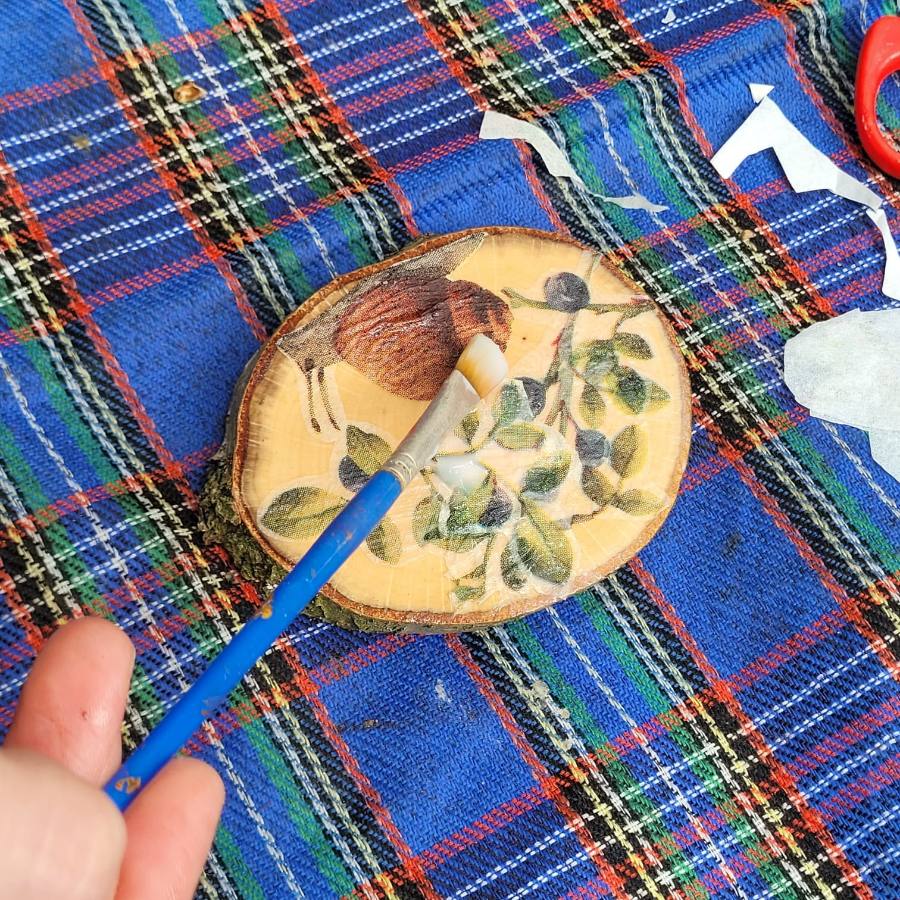 Craft · Summer
Hapa zome leaf printingHammer-printing: fold flowers and leaves into cloth and tap, the pigments transfer as perfect prints. Loud, energetic, and the results look gallery-worthy.
Craft · Summer
Hapa zome leaf printingHammer-printing: fold flowers and leaves into cloth and tap, the pigments transfer as perfect prints. Loud, energetic, and the results look gallery-worthy.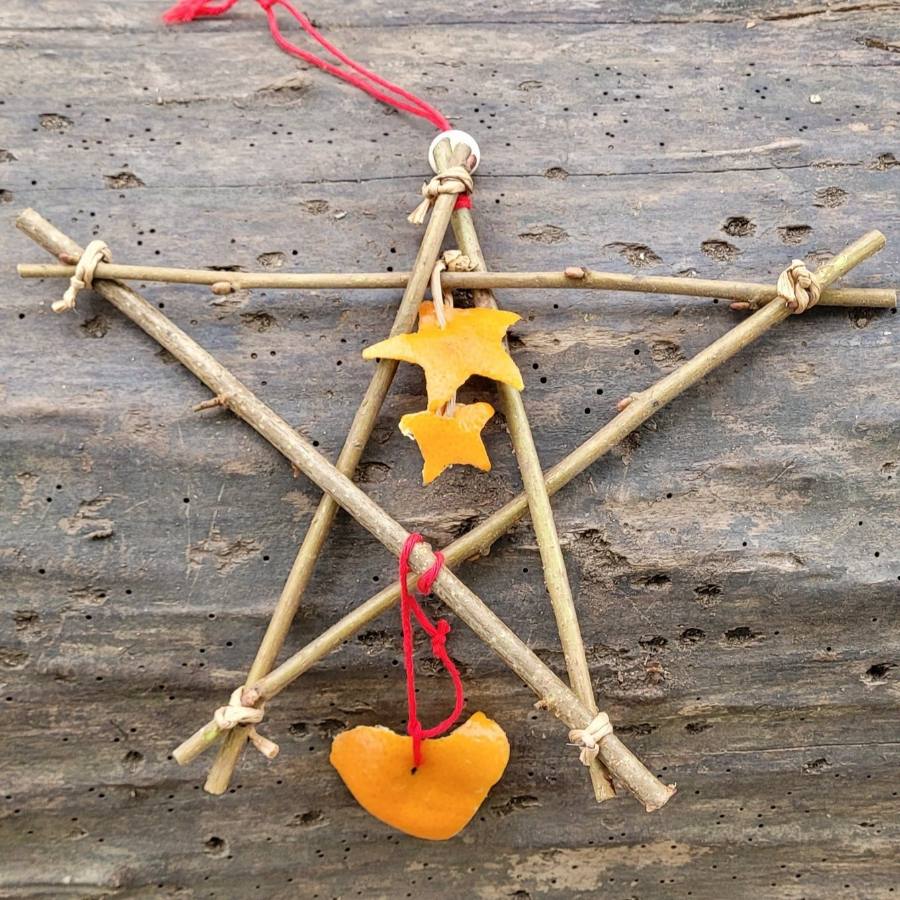 Craft · Christmas
Stick stars and cinnamon bundlesChristmas decorations that smell as good as they look: five-stick woven stars and cinnamon-stick bundles tied with garden twine, the take-home families actually keep.
Craft · Christmas
Stick stars and cinnamon bundlesChristmas decorations that smell as good as they look: five-stick woven stars and cinnamon-stick bundles tied with garden twine, the take-home families actually keep.Running craft ideas and activities well
Forest school craft isn't the craft table carried outdoors. The material comes from the site, a fallen branch, cordage from bramble, clay from the bank, charcoal from last week's fire, so the making starts with a walk and a decision about what can be taken and what should be left. That's a whole arc of learning before anyone picks up a tool.
Because the outcome is genuinely the child's, craft carries the learner-led principle better than almost anything else on this list. A well-run craft offer is set out and then left alone: the resources on a stump, the technique shown once, and enough time to fail at it a few times. Expect the finished thing to look nothing like your example, and count that a success.
- Demonstrate once, then step back. The urge to fix a wonky weave is the urge to take the learning.
- Set the boundary on materials before you set out the tools: what's living, what's fallen, how much we take.
- Run the same craft several weeks running. Repetition is where the skill actually lands.
- Whittling and cutting carry their own tool talk and their own ratio. Settle that before the day, not on it.