From practitioners, for practitioners 🌿
Spring forest school activities
Everything wakes up at once. The best term for noticing, and the one where the wood changes fastest under your feet.
4 ideas
 Nature · Spring
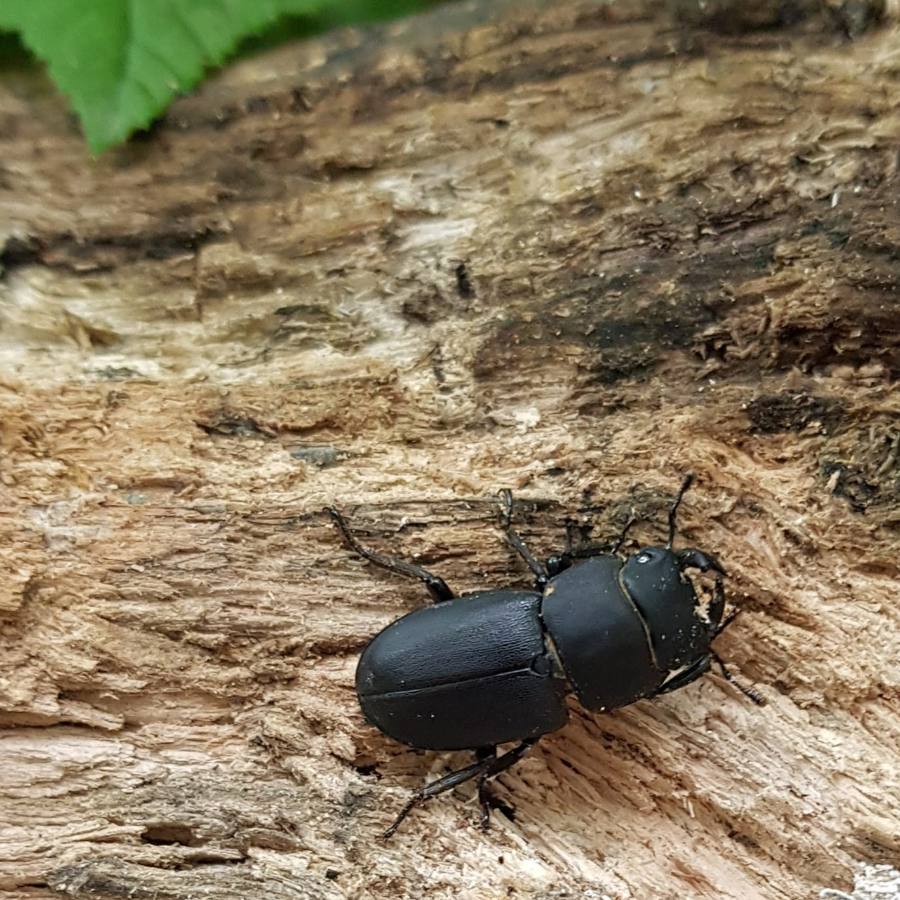
Bug hotel buildingBuild a five-star minibeast hotel from pallets, bricks, pine cones and hollow stems, then survey the guests over the following weeks.Nature · Spring
Pond dipping and frogspawn watchSpring's headline act: nets, trays and the annual frogspawn count, with a return visit to meet the tadpoles.
Nature · Spring
Bug hotel buildingBuild a five-star minibeast hotel from pallets, bricks, pine cones and hollow stems, then survey the guests over the following weeks.Nature · Spring
Pond dipping and frogspawn watchSpring's headline act: nets, trays and the annual frogspawn count, with a return visit to meet the tadpoles.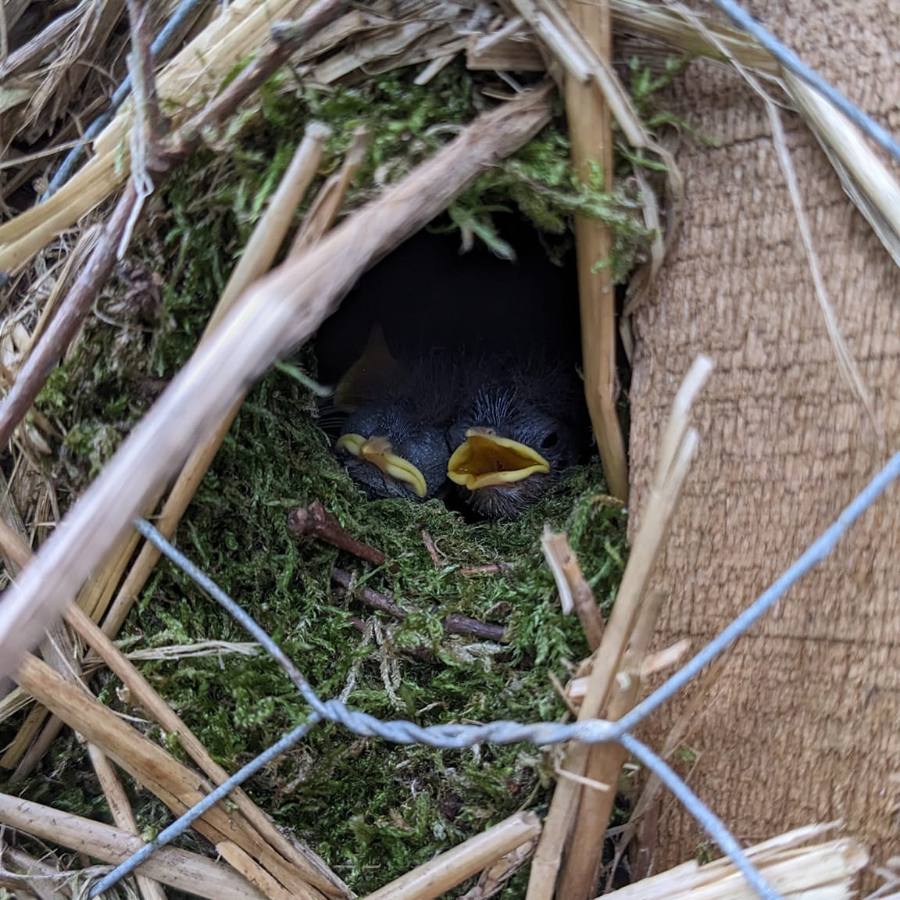 Nature · Easter
Bird nest building challengeCould YOU build a nest with only a beak? Pairs get 'beak rules' (finger and thumb only) and race the clock to build a nest that cradles a real egg. Perfect for spring and Easter.
Nature · Easter
Bird nest building challengeCould YOU build a nest with only a beak? Pairs get 'beak rules' (finger and thumb only) and race the clock to build a nest that cradles a real egg. Perfect for spring and Easter.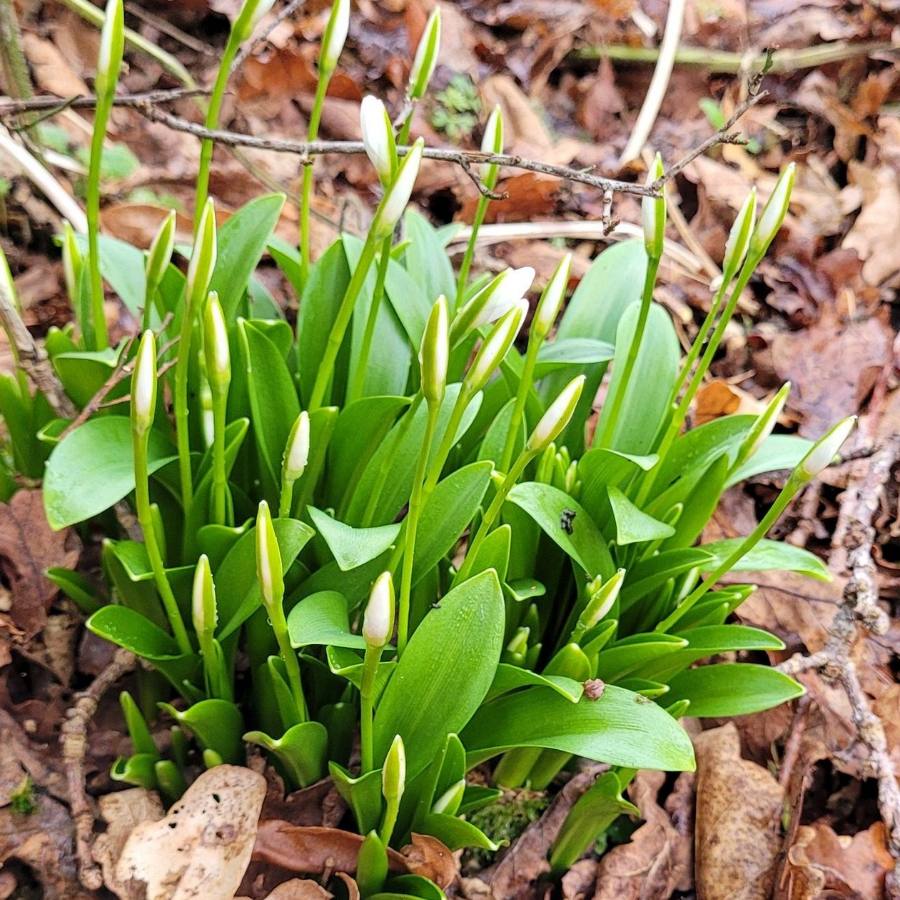 Nature · Spring
Wild garlic pestoApril's foraging classic: identify wild garlic by smell, harvest a leaf each, and pound a communal pesto for crackers. Foraging rules taught with an immediate reward.
Nature · Spring
Wild garlic pestoApril's foraging classic: identify wild garlic by smell, harvest a leaf each, and pound a communal pesto for crackers. Foraging rules taught with an immediate reward.Running spring well
Spring rewards returning to the same place. A square metre marked out in February and visited every week until May is one of the best pieces of work a group can do, nothing needs to be organised, and the change does all the teaching. It's also the term when children who are indifferent to nature activities in the abstract get gripped, because something is visibly happening.
It's the season with the most to be careful about, though, and not in the way people expect. Nesting birds mean some parts of the site are out of bounds and some activities wait. New growth means paths you cleared in January have closed again. And the ground is wetter for longer than it looks.
Resist filling it. Spring is loud and busy and there's a temptation to programme every session around a phenomenon. The quiet, slow, sitting-still activities work better now than at any other time of year, precisely because there is so much to hear.
- Mark a square metre in early spring and come back to it weekly. The change is the lesson.
- Check for nesting before you clear, cut, climb or put up a rope. Some of the site closes for a while.
- Birdsong activities need the group to be still and quiet first. Build up to them, don't open with them.
- The ground stays wetter than it looks well into April. Keep the winter footwear message going.
- Re-walk paths that grew back over the winter, and check your anchor trees after the storms.