From practitioners, for practitioners 🌿
Forest school nature activities
Looking closely at the wood you're already standing in, its minibeasts, its seasons, the things that were there all along.
Nature for spring
Nature · Spring
Seed bombsRoll clay, compost and wildflower seeds into balls, let them dry, and throw them onto bare ground for a burst of flowers next summer.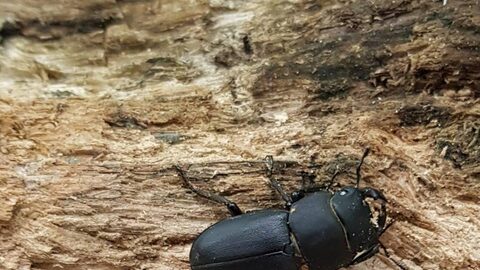 Nature · Spring
Bug hotel buildingBuild a five-star minibeast hotel from pallets, bricks, pine cones and hollow stems, then survey the guests over the following weeks.Nature · Spring
Pond dipping and frogspawn watchSpring's headline act: nets, trays and the annual frogspawn count, with a return visit to meet the tadpoles.
 Nature · Easter
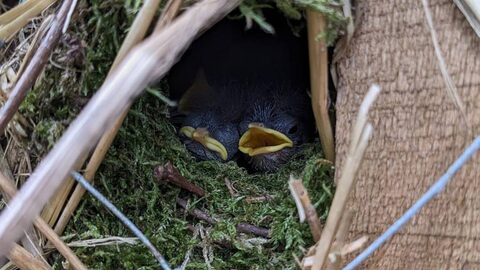
Bird nest building challengeCould YOU build a nest with only a beak? Pairs get 'beak rules' (finger and thumb only) and race the clock to build a nest that cradles a real egg. Perfect for spring and Easter.
 Nature · Spring
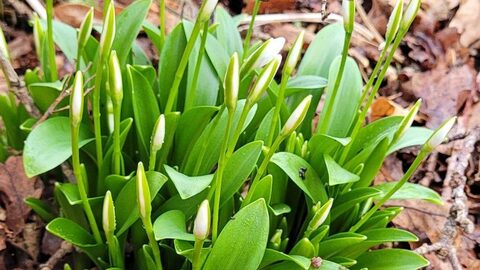
Wild garlic pestoApril's foraging classic: identify wild garlic by smell, harvest a leaf each, and pound a communal pesto for crackers. Foraging rules taught with an immediate reward.Cooking · Spring
Nettle soupPick young nettle tops with gloves on, cook them down with stock and potato, and the sting is gone. Spring foraging with a warm reward.
 Nature · Spring
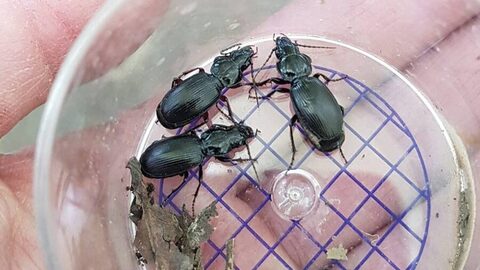
Minibeast safariLift logs, search leaf litter and peer at bark with magnifiers. Count what you find, then put every log back the way it was.
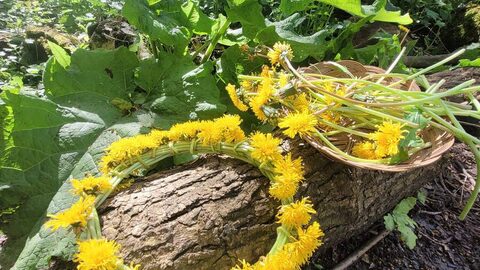 Craft · May Day
May Day flower crownsA card band, a ring of leaves and the flowers nobody minds you picking. Crowns on, and a procession through the woods.
Nature · Spring
Bug hotel buildingBuild a five-star minibeast hotel from pallets, bricks, pine cones and hollow stems, then survey the guests over the following weeks.Nature · Spring
Pond dipping and frogspawn watchSpring's headline act: nets, trays and the annual frogspawn count, with a return visit to meet the tadpoles.Nature · Easter
Bird nest building challengeCould YOU build a nest with only a beak? Pairs get 'beak rules' (finger and thumb only) and race the clock to build a nest that cradles a real egg. Perfect for spring and Easter.Nature · Spring
Wild garlic pestoApril's foraging classic: identify wild garlic by smell, harvest a leaf each, and pound a communal pesto for crackers. Foraging rules taught with an immediate reward.Cooking · Spring
Nettle soupPick young nettle tops with gloves on, cook them down with stock and potato, and the sting is gone. Spring foraging with a warm reward.Nature · Spring
Minibeast safariLift logs, search leaf litter and peer at bark with magnifiers. Count what you find, then put every log back the way it was.Craft · May Day
May Day flower crownsA card band, a ring of leaves and the flowers nobody minds you picking. Crowns on, and a procession through the woods.Running nature activities well
Nature activities need the least kit and give the most back. A hand lens, a metre of string to mark out a square, and a child willing to lie down and wait. The wood does the rest of the work for you.
The trap is turning them into worksheets, a tick-list of species and a right answer. Noticing is learner-led by its nature: the child who spends forty minutes on one woodlouse has not gone off task, they have gone deeper than the plan allowed for. Follow the interest, name things when you're asked to, and resist the urge to move everybody on.
- Slow it down. The best noticing starts about where most groups get moved along.
- Name things when asked, not before. Curiosity first, vocabulary second.
- Come back to the same square metre across a term: the change is the lesson.
- Anything heading for a mouth needs a confident identifier and a clear picture of consent and allergies.